

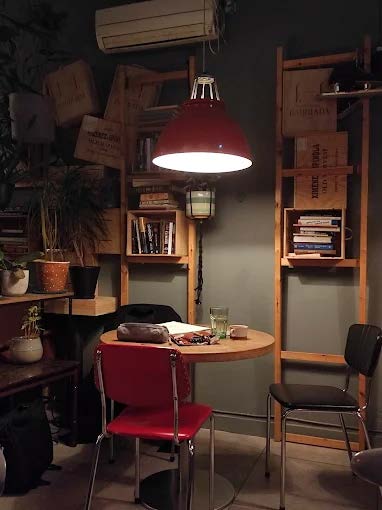
The Best Bars in Bergen, According to Our Guides
Discover the best bars Bergen has to offer, including Apollon, where music lovers can enjoy artisanal beers and vinyl.
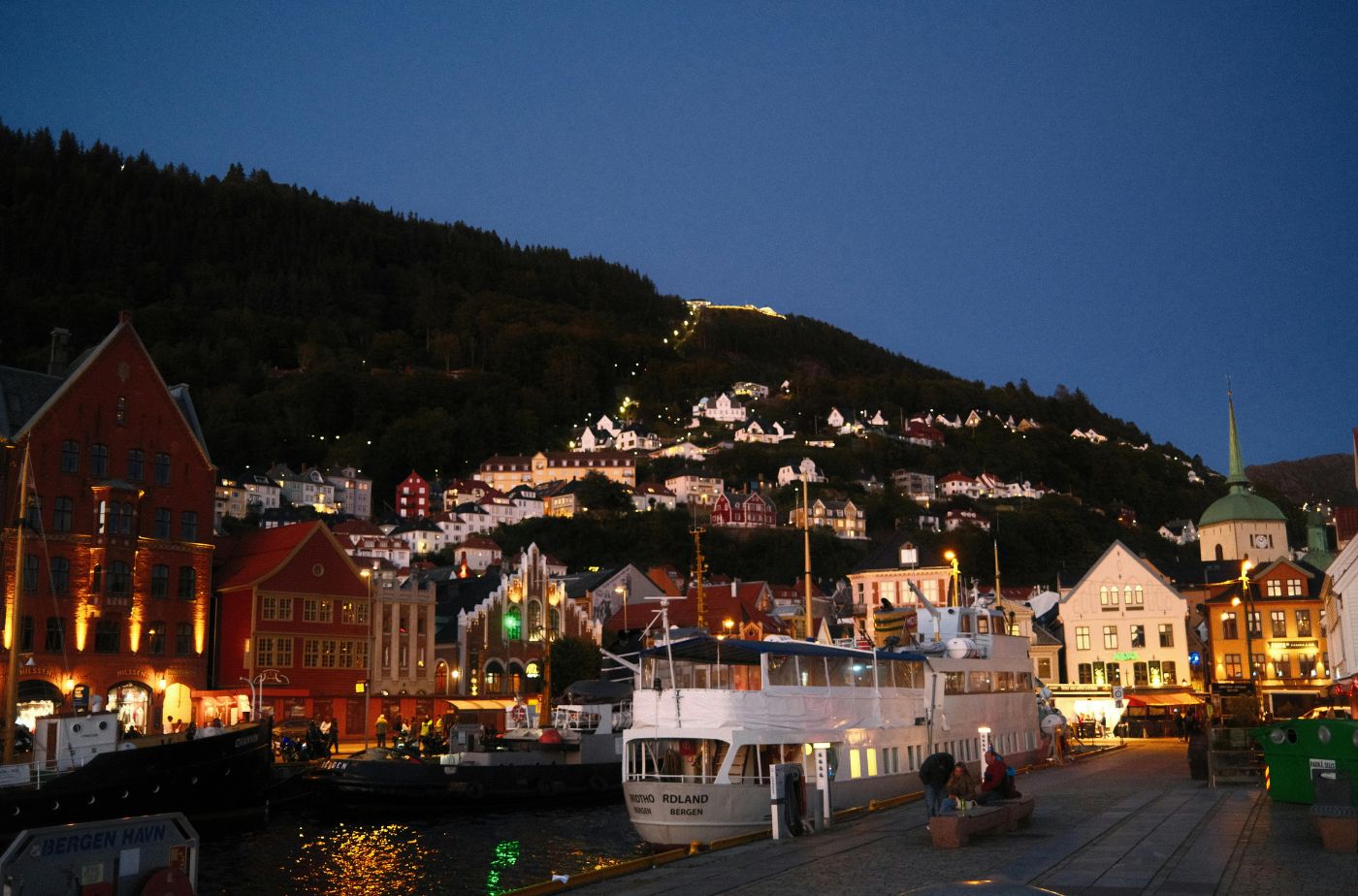
When most visitors first arrive in Bergen, they make a beeline for Bryggen.
The colourful row of leaning wooden buildings lining the harbour is one of the most photographed places in Norway — and for good reason. The narrow passageways, crooked facades, and timber walkways seem frozen in time, creating the feeling that you’ve stepped directly into the Middle Ages.
But beneath the postcard-perfect exterior lies a far more fascinating story.
Bryggen is not simply a beautiful waterfront. It is a living reminder of Bergen’s rise as one of Northern Europe’s most powerful trading cities. Hidden behind the painted walls are stories of secret meetings, devastating fires, medieval merchants, German traders, forgotten alleyways, and centuries of resilience.
At I Love Bergen, Bryggen is one of our favourite places to explore with guests because every corner reveals something unexpected. While many travellers admire the view from the harbour, locals know the real magic lies deeper inside the narrow wooden corridors where history still whispers through the timber walls.
If you want to understand Bergen properly, you need to understand Bryggen.
Bryggen’s story began more than 900 years ago.
Bergen was founded around 1070 by King Olav Kyrre and quickly became Norway’s most important trading hub. Its position between the fjords and the open sea made it ideal for commerce, and merchants from across Europe soon arrived in search of one incredibly valuable product: dried cod.
Stockfish from Northern Norway became one of the most sought-after exports in medieval Europe. Bergen’s harbour transformed into a bustling international marketplace where fish, grain, beer, cloth, and spices exchanged hands daily.
By the 14th century, German merchants from the Hanseatic League established a major presence in Bergen. This powerful trading alliance controlled commerce across Northern Europe, and Bryggen became one of its most important overseas offices.
The German traders essentially created a small German town inside Bergen.
They built warehouses, offices, meeting halls, and sleeping quarters along the wharf. German language, customs, and business practices dominated the area for centuries. At its peak, Bryggen was one of the wealthiest trading districts in Scandinavia.
Today, Bryggen is recognised as one of the most important UNESCO sites in Norway because it preserves this unique chapter of European history.
Yet what many visitors don’t realise is that much of what they see today is actually a reconstruction.
Bryggen has survived disaster after disaster.
Because the buildings were constructed entirely from wood and packed tightly together, fire was a constant threat throughout Bergen’s history.
The wharf burned repeatedly over the centuries.
Major fires struck in 1476, 1702, 1756, 1955, and many times in between. The most devastating blaze came in 1702 when almost the entire city of Bergen was destroyed.
Imagine standing in the middle of Bryggen as flames spread rapidly from building to building while strong coastal winds carried burning embers across the harbour. In a city built largely from timber, fire could consume entire neighbourhoods within hours.
After each disaster, Bryggen rose again.
What visitors see today largely dates from the reconstruction following the 1702 fire, though the layout follows medieval foundations that are far older.
One of the most fascinating details revealed during archaeological excavations is that layer upon layer of old Bryggen still exists underground. Beneath the modern wooden buildings are preserved remains of earlier wharves, homes, tools, shoes, letters, and everyday objects from centuries ago.
The ground beneath Bryggen is essentially a time capsule.
This hidden archaeological treasure is one reason UNESCO granted Bryggen World Heritage status in 1979.
Many tourists photograph Bryggen from the front and move on.
Locals know the real adventure begins when you walk inside.
Behind the colourful facades lies a maze of narrow alleyways, creaking staircases, uneven wooden walkways, and hidden courtyards. Some corridors are so narrow that two people can barely pass side by side.
On our tours, guests are often surprised by how atmospheric these hidden spaces feel.
The timber walls lean at unusual angles after centuries of settling. The floors creak loudly beneath your feet. Tiny windows reveal glimpses of workshops and artist studios tucked away inside ancient trading buildings.
At night, especially during winter, the atmosphere becomes even more dramatic.
Soft lantern light reflects against dark timber walls while sea mist drifts in from the harbour. It is easy to imagine medieval merchants hurrying through the same passageways hundreds of years ago.
Some locals even claim Bryggen is haunted.
One of the lesser-known parts of Bryggen’s history involves the harsh initiation rituals young apprentices faced when arriving in Hanseatic Bergen.
Many of the boys who came to Bryggen were teenagers sent from Northern Germany to begin years of merchant training.
Life at the Hanseatic kontor was notoriously strict.
The young apprentices lived under rigid discipline, followed strict rules, and spent long hours working inside warehouses and trading houses. But before they could fully join the merchant community, many had to endure humiliating initiation games organised by older apprentices and traders.
Some of these rituals were surprisingly rough.
Historical accounts describe practical jokes, public embarrassment, wrestling matches, forced drinking games, and mock ceremonies designed to test toughness and obedience. New arrivals could be splashed with freezing water, chased through Bryggen’s narrow passageways, or forced to perform ridiculous tasks in front of senior merchants.
To modern visitors, some of these traditions sound closer to university hazing rituals than professional training.
But during the medieval period, these initiation games were seen as part of becoming a member of the Hanseatic brotherhood.
The Hanseatic merchants operated almost like a closed society within Bergen.
The German traders often lived separately from locals, spoke their own language, and followed their own customs and legal systems. Loyalty to the group mattered enormously.
These initiation rituals reinforced hierarchy and belonging.
On guided walks through Bryggen today, it is fascinating to imagine nervous teenage apprentices arriving by ship from Germany for the very first time — stepping into the dark wooden corridors of Bryggen knowing they were about to face both hard labour and the bizarre traditions of Hanseatic life.
For many visitors, these stories reveal a side of Bryggen history far removed from the peaceful harbour photographs.
Behind the colourful facades was a demanding and highly competitive trading world filled with strict discipline, ambition, and social rituals that shaped generations of merchants.
And in some ways, the atmosphere of Bryggen’s narrow alleyways still feels perfectly suited to secretive traditions and whispered initiations.
Visitors sometimes imagine the Hanseatic merchants lived glamorous lives surrounded by wealth and luxury.
The reality was far harsher.
Young apprentices arriving in Hanseatic Bergen often endured strict discipline, exhausting labour, and isolation from local society.
The Hanseatic traders operated almost like a closed brotherhood.
German merchants largely kept to themselves and followed strict rules designed to protect business interests. Apprentices were expected to obey senior merchants completely.
Punishments for mistakes could be severe.
Historical records describe harsh training methods and strict social hierarchies inside the trading houses. Young workers often slept in cramped rooms above warehouses packed with dried fish.
The smell alone would have been unforgettable.
Stockfish was stored in enormous quantities throughout Bryggen, and Bergen’s harbour was famous across Europe for its powerful scent.
Even today, when the wind blows in from the harbour on certain days, locals joke that Bergen still occasionally smells like its trading past.
Yet despite the difficult conditions, Bryggen created immense wealth and transformed Bergen into an international city centuries before modern globalisation.
One of the details many visitors overlook is the incredible amount of symbolism hidden throughout Bryggen.
Wood carvings, decorative details, and merchant marks can still be found on some buildings if you know where to look.
Certain symbols represented ownership or trading families.
Others were believed to bring luck and protection against fire, storms, or bad fortune.
In medieval Europe, superstition was deeply woven into daily life.
Some doorways featured protective carvings intended to ward off evil spirits. Certain warehouse markings identified goods from particular regions or merchants.
During guided tours, locals often point out details that tourists would otherwise walk past completely unnoticed.
This is one reason Bryggen becomes more fascinating the longer you spend there.
It rewards curiosity.
Bryggen is not merely a preserved museum district.
It remains an active part of Bergen’s identity.
Inside the old wooden buildings, you’ll now find independent boutiques, craft workshops, galleries, cafés, and local artists continuing centuries of creativity and commerce.
Traditional craftsmanship still survives here.
Woodworkers, jewellers, textile artists, and designers operate inside structures originally built for medieval trade.
This blend of history and modern local culture is part of what makes Bryggen feel alive rather than frozen in time.
For Bergen residents, Bryggen is deeply personal.
Nearly everyone who grows up here has memories connected to the wharf — school excursions, rainy walks through the alleyways, Christmas markets, late-night stories, or childhood visits with family.
It is both a global heritage site and a local gathering place.
Even many Norwegians are surprised by some of Bryggen’s lesser-known details.
Here are a few favourites we love sharing on our tours:
One famous inscription roughly translates to someone complaining about love problems — proof that human emotions have not changed much in 700 years.
The best way to experience Bryggen is slowly.
Step away from the main harbour viewpoint.
Walk into the hidden passageways. Notice the smell of old timber. Listen to the creaking floors. Look for uneven beams and ancient carvings.
Visit early in the morning or later in the evening when the crowds thin out.
Pause long enough to imagine what this harbour once sounded like during the height of Hanseatic trade — shouting merchants, rolling barrels, crashing waves, and ships arriving from distant ports.
Bryggen is beautiful in photographs.
But its real power lies in the stories hidden behind the facades.
At I Love Bergen, we believe those stories are what truly bring the city to life.
Our guided tours are designed not only to show visitors Bergen’s famous landmarks, but to uncover the hidden layers most travellers never discover on their own.
Because once you understand Bryggen’s history — the fires, the resilience, the myths, the trade, and the people who shaped it — you begin to see Bergen differently.
Not simply as a scenic fjord city.
But as one of Northern Europe’s great historical crossroads.
If you want to experience the hidden side of Bryggen, join one of our local guided tours and explore the stories behind Bergen’s iconic wharf.
From secret alleyways and Hanseatic history to local legends and hidden details most visitors miss, we’ll help you experience Bryggen the way locals do.
Beneath the colourful timber buildings lies nearly a thousand years of history waiting to be discovered.
And every walk through Bryggen reveals something new.
Discover the best bars Bergen has to offer, including Apollon, where music lovers can enjoy artisanal beers and vinyl.
Learn how to best prepare for your visit to our city.

Ut enim ad minim veniam, quis nostrud exercitation ullamco laboris nisi ut aliquip ex ea commodo consequat. Duis aute irure dolor in reprehenderit in